Quiet Bi-Blade Propellers for Dawn Flights Near Community Gardens
Why Prop Choice Matters So Much at Dawn
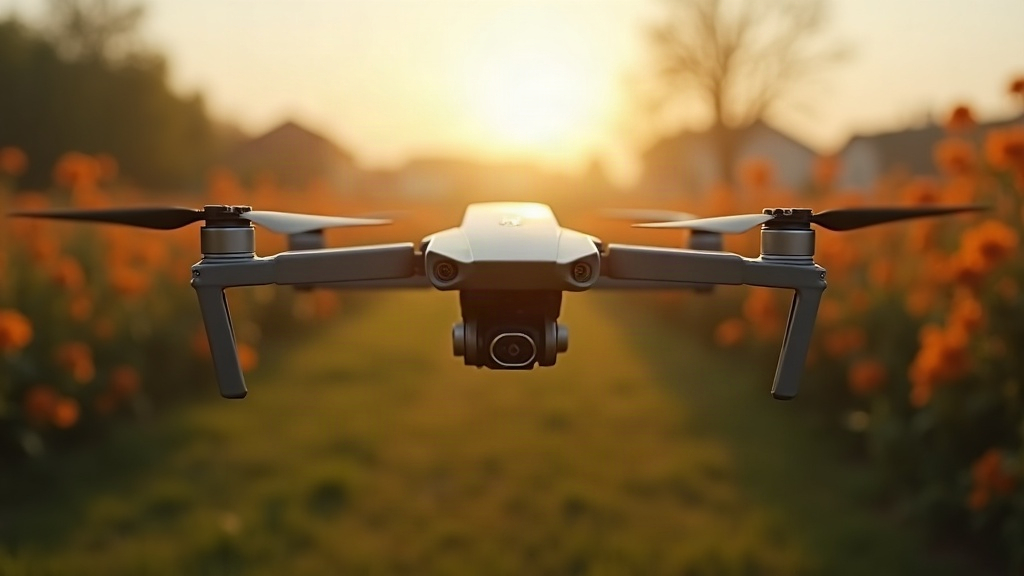
Flying a drone at sunrise over a suburban community garden sounds idyllic: soft light, dew still clinging to the leaves, a few early gardeners already pulling weeds. That calm scene can evaporate in seconds if your propellers sound like a swarm of angry hornets. Switching to quiet bi-blade propellers is one of the simplest, most effective things you can do to keep those early-morning flights respectful, legal, and enjoyable for everyone within earshot.
Sound behaves differently before 7 a.m. Cooler, denser air, plus the absence of traffic, lawnmowers, and the usual daytime racket, means your drone’s whine travels much farther than it would at noon. In a quiet residential area with shared garden plots, that buzz can easily wake a light sleeper two houses down, or spook birds and pollinators that are at their most active right at sunrise.
Bi-blade (two-blade) propellers are inherently quieter than tri-blade or quad-blade setups, for a pretty simple reason: fewer blades cutting through the air per rotation means fewer pressure pulses hitting your ears each second. That’s what tames the sharp, high-frequency buzz people find so grating, swapping it for a lower, softer hum instead.
Bi-Blade vs. Tri-Blade: What’s the Real Difference?
- Bi-blade propellers: lower blade-pass frequency, noticeably quieter overall, slightly less thrust per rotation, usually need a bit more RPM to make up for it.
- Tri-blade propellers: better thrust and stability in gusty conditions, but louder, often distractingly so, because of that higher blade-pass frequency. Not a great fit for sensitive spots like gardens or residential streets.
When stealth and courtesy matter more than raw lifting power, which is basically every dawn flight over someone’s tomato patch, bi-blade props win almost every time. This is especially true on lightweight photography or recreational drones, where you’re not fighting heavy payloads anyway.
What to Look for When Choosing Quiet Bi-Blade Props
1. Low-Noise Blade Profile
Hunt for propellers actually marketed as “low-noise” or “whisper” blades. These usually share a few traits:
- Rounded, airfoil-optimized leading edges
- Thinner blade tips that cut down on turbulence
- A slight upward curve (dihedral) that smooths out airflow
2. Material Matters
- Polycarbonate blends vibrate less than the cheap ABS plastic you’ll find on bargain props, which cuts down on that buzzy, harmonic whine.
- Carbon fiber composites are stiffer and run quieter at high RPM, though you’ll pay more for them. Worth it if you fly often.
3. Size and Pitch
Bigger, slower-turning bi-blade props (think 9450 or 1045 sizes) tend to run quieter than small, high-pitch props forced to spin fast just to generate enough lift. Drop the pitch angle a bit and you’ll shave off noise, at the cost of a little top speed. Fine trade-off for a sunrise flight where you’re not racing anyone.
4. Balance and Mounting
Even a genuinely quiet propeller sounds like a dying appliance if it’s poorly balanced. So:
- Check for micro-balancing before every flight, not just once a month
- Inspect for nicks or warping, particularly after the drone’s been sitting in storage
- Use vibration-dampening motor mounts if your airframe supports them
Popular Quiet Bi-Blade Options
Pilots who regularly fly near parks and gardens tend to gravitate toward:
- Master Airscrew Scimitar series, well regarded for its reduced acoustic signature
- DJI low-noise propellers (where offered for your specific model), OEM-tuned to cut buzz
- Aftermarket “stealth” bi-blade kits built for FPV and photography rigs
Double-check compatibility before you buy anything. Mount styles, hub sizes, and shaft diameters differ a lot between brands, and a prop that looks right in a product photo won’t necessarily fit your drone.
Flying Etiquette Near Community Gardens
Quiet props solve only half the problem. If you actually want your dawn flights to feel considerate:
- Climb higher (100+ feet) so distance does the work of dampening sound before it ever reaches ground level.
- Don’t hover directly over garden beds or beehives. Constant motion shortens how long any one spot has to listen to you.
- Check local drone ordinances. Plenty of suburban neighborhoods have specific rules about early-morning flights near shared green spaces, and a quick search beats an awkward conversation with a neighbor.
- Keep it short. Treat golden hour flights as brief, purposeful sessions, not an excuse to loiter overhead for twenty minutes chasing the perfect shot.
Quick Checklist Before Your Next Dawn Flight
- ✅ Bi-blade propellers installed and balanced
- ✅ Low-noise or whisper-rated blades confirmed
- ✅ Correct size and pitch for your drone’s weight class
- ✅ Flight altitude planned above 100 feet when possible
- ✅ Local regulations checked for community garden proximity
Final Thoughts
Quiet bi-blade propellers aren’t just a technical upgrade, they’re a courtesy upgrade. For dawn flights over suburban community gardens, where sound carries further than you’d think and neighbors genuinely value their quiet mornings, the right propeller can be the difference between being the hobbyist people wave at and the one they report. Spend a little on well-balanced, low-noise bi-blade props, fly with some thought for who’s still asleep, and you’ll walk away with those golden-hour shots without waking a single household or rattling a bee out of its hive.