DJI Air 3 vs Autel EVO Nano+ for Vineyard Sunrise Photography
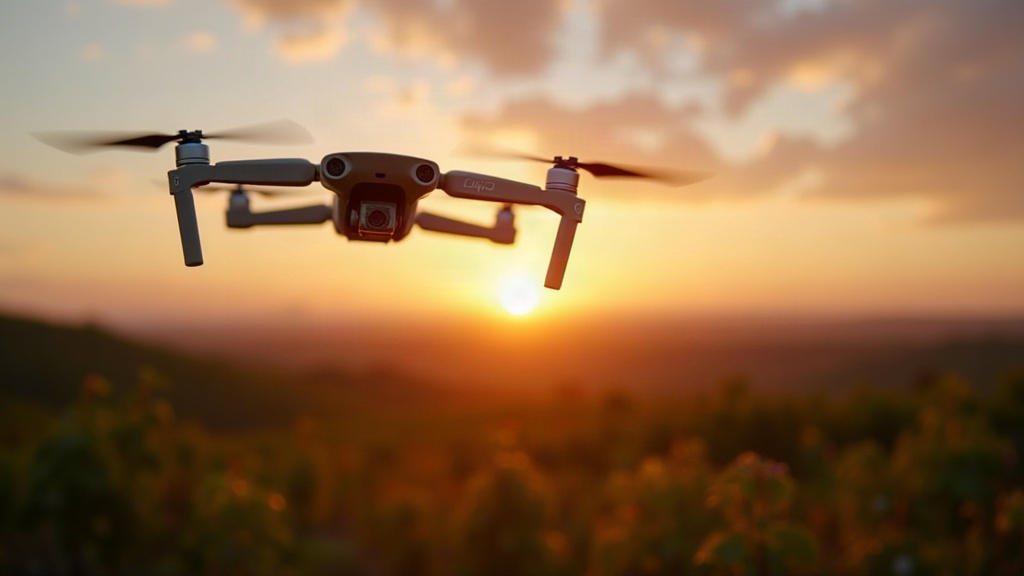
If you’re photographing small vineyards at sunrise, the DJI Air 3 is the smarter overall pick, thanks to its dual-camera system, longer flight time, and better low-light chops. That said, the Autel EVO Nano+ still wins if portability and a fast, low-stress setup between tight vineyard rows matter more to you than raw image quality. Here’s how the two actually stack up once you factor in real shooting conditions.
Why Sunrise Vineyard Shots Are a Unique Challenge
Sunrise photography over vineyards isn’t just about having a nice camera strapped to a drone. You’re fighting several things at once:
- Low, directional light that throws long shadows across the vine rows
- Narrow shooting windows (golden hour over a vineyard can vanish in 15-20 minutes, sometimes less if there’s cloud cover)
- Tight, obstacle-filled airspace, think trellises, support wires, irrigation poles, the odd farm shed
- The need for repeatable flight paths, especially if you’re tracking the same vineyard block across a full growing season
These conditions push hard on sensor size, dynamic range, obstacle avoidance, and battery life. And that’s exactly where these two drones start to pull apart.
Camera & Image Quality
DJI Air 3
The Air 3 runs dual 1/1.3-inch sensors, a 24mm wide lens paired with a 70mm medium tele, both capable of 48MP stills. For vineyard work, that combo is genuinely useful:
- The wide lens grabs entire rows and terracing layouts in a single frame
- The tele lens lets you compress perspective and pick out a single vine block, or a distant farmhouse, without flying in closer and spooking anything (or anyone)
- Dynamic range noticeably outperforms the competition when you’re dealing with sunrise glare on one side and deep shadow on the other, holding detail in both sky and canopy
Autel EVO Nano+
The Nano+ carries a single 1/1.28-inch sensor, respectable for its size class, with a 50MP still mode. In daylight it holds its own. At sunrise, though, it starts showing more noise and clipped highlights once the light gets harsh and low-angle. There’s no second lens either, so tighter framing means physically flying closer, not exactly convenient when the light is shifting minute by minute.
Verdict: the Air 3 pulls ahead on image quality and flexibility. The Nano+ is solid, just less forgiving when the light gets tricky.
Low-Light and Sunrise-Specific Performance
Technically, sunrise counts as low light until the sun actually clears the horizon. Here’s how each one copes:
- DJI Air 3: cleaner ISO handling, less banding across gradient skies, and the O4 transmission system keeps the live feed sharp even when it’s still dim out. That matters more than people expect, since framing accurately before the sun breaks is half the battle.
- Autel EVO Nano+: workable, but footage looks grainier during those first 10 minutes of sunrise. Quality picks up fast as the light strengthens, so it’s a fine choice if you’re patient or shooting a touch after golden hour kicks off.
Flight Time and Coverage for Small Vineyards
- DJI Air 3: roughly 46 minutes per battery. That’s enough to cover several vineyard blocks, chase different sun angles, and still land with some charge to spare.
- Autel EVO Nano+: about 28 minutes per battery. Fine for a small vineyard (say, under 10 acres) in a single sunrise session, but bring spares if you’re covering more than one plot.
Portability and Setup Speed
Here’s where the Nano+ actually pulls ahead:
- It weighs under 250g, which in many regions means no FAA Part 107 registration for recreational flying
- It folds down smaller than the Air 3, so carrying it on foot between vine rows is a non-issue
- It launches faster, handy when you’ve got maybe 15 minutes before the light window closes
The Air 3, by comparison, is heavier at around 720g and needs registration in most places. But that extra weight buys stability in light vineyard breeze, which counts for a lot when you’re shooting long exposures or bracketed sequences at dawn and can’t afford blur.
Obstacle Avoidance Around Trellises and Wires
Vineyards are basically an obstacle course of thin, hard-to-see hazards: trellis wires, irrigation lines, bird netting poles, you name it.
- DJI Air 3: omnidirectional sensing works well overall, though thin wires can still slip past detection. Fly manually near any infrastructure regardless of what the sensors claim.
- Autel EVO Nano+: only forward, downward, and backward sensing, no side coverage. That makes tight row-flying riskier; it’s better suited to overhead shots and perimeter passes.
Which One Should You Choose?
| Priority | Best Pick |
|---|---|
| Best overall image quality | DJI Air 3 |
| Longest flight time | DJI Air 3 |
| Lightest, most portable | Autel EVO Nano+ |
| No drone registration needed | Autel EVO Nano+ |
| Best in tricky sunrise light | DJI Air 3 |
| Best for tight, obstacle-heavy rows | DJI Air 3 (with caution) |
Conclusion
If you’re serious about sunrise vineyard photography, where dynamic range, framing flexibility, and flight time actually decide whether the session is worth it, the DJI Air 3 is the better investment, hands down. The Autel EVO Nano+ still earns its keep if portability, simple setup, and staying under registration thresholds matter more to you, particularly for casual or occasional shoots. The real question isn’t which drone is “better” in the abstract. It’s how often you’re flying and how unforgiving your light conditions tend to be.